
Galapagos Islands: Where History Comes Alive
Sea, Islands, Beaches and Resorts
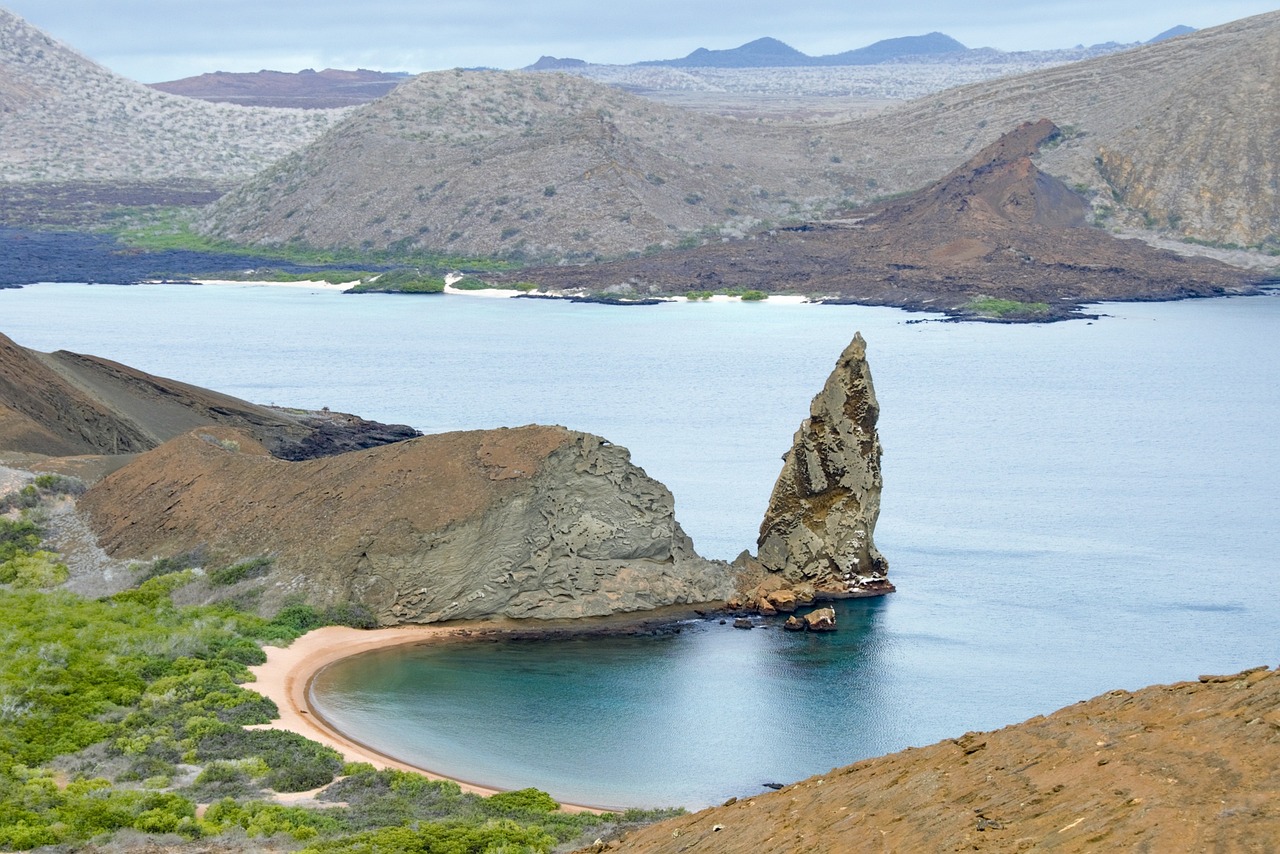
Located just south of the equator in the warm waters of the Pacific Ocean, the Galapagos Islands is a string of tiny volcanic islands that have for centuries captured the imagination of explorers and naturalists from all over the globe. Visited by the likes of Charles Darwin and Thor Heyerdahl, the Galapagos makes for an incredible vacation destination with its amazing wealth of natural life. Roughly five million years old, these islands sit of the western coast of Ecuador and have been declared a national park by the Ecuadorian Government.
Comprising of 19 islands and a number of islets, the Galapagos are spread out roughly over 50,000 sq km and play host to some of the most rare and endangered animals on the planet. Also home to a number of endemic animal species, the likes of which have been found no where else on earth, these islands have come to play a very important part in the understanding of evolution and the history of the world.
The history of the Galapagos Islands is quite a unique one. Thought to be first discovered by the Inca tribes that lived on mainland South America, these islands were first spotted by Bishop Tomas de Berlanga in 1535, while he was traveling from Panama to Peru. The most amazing discovery of the trip was the giant tortoises or Galapago as they are known in Spanish, which were found on the islands.
Often used as a stopover base since its discovery, the Galapagos Islands sheltered bucca- neers, pirates, whalers and sealers, who used this region. A great location due to its protected anchorage, the availability of food, fresh water and firewood, these islands soon became a place for scientific discovery in the late 18th century.
Visited by Darwin in 1835, these islands provided him with a plethora of information that helped him form the basis of his theory of evolution. Claimed by Ecuador in 1832, these islands slowly began to be inhabited and were soon used as penal colonies, the last of which ultimately shut down in 1959. However, by 1934 the government of Ecuador had begun to realize the importance of the Galapagos and a few islands were turned into wildlife sanctuaries.
By 1959 after the penal colonies were all closed, these islands became a national park with the Charles Darwin Research Station set up in Academy Bay on Isla Santa Cruz. Declared a World Heritage Site by UNESCO a few years later in 1979, this national park was expanded to include the Galapagos Marine Resources Reserve in 1986.
A completely unique and extraordinary set of islands, the Galapagos takes you back in time to what the earth might have looked like when it was much younger. Considered to be young by geologists, these islands are an ecosystem unto them- selves. Therefore, it is key that we protect and preserve this precious habit for future generations, so as understand the world we live in today from an environmental point of view. A wonderful getaway especially for those who enjoy nature, you will find history come alive here amid the volcanoes and wildlife, both above and beneath the ocean.