
Smart Vacation
Cape Town
The magical and glorious Garden Route
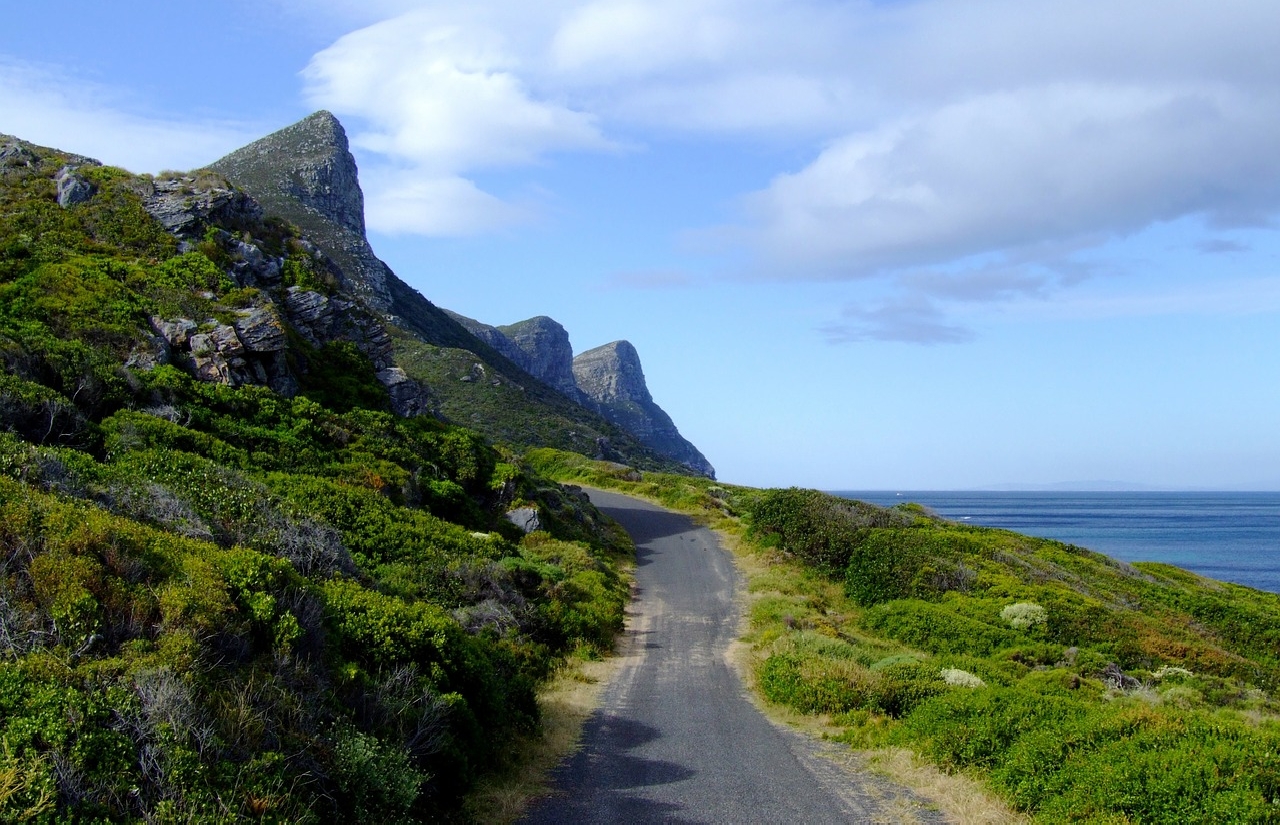
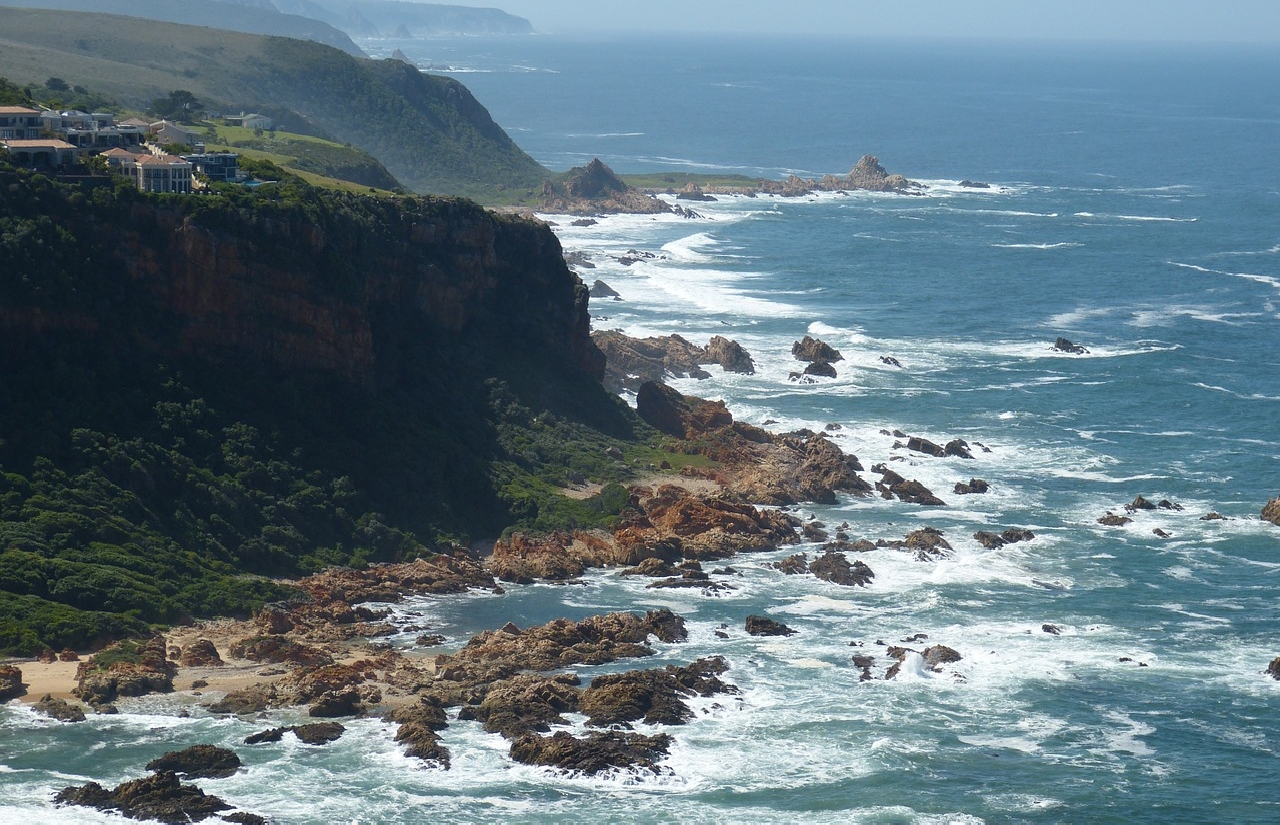
South Africa's Garden Route is one of the country's most popular holiday destinations. This scenic region finds itself nestled between the Tsitsikamma and Outeniqua Mountains and the Indian Ocean. Stretching along the charming south eastern coast, the Garden Route is a montage of mysterious forests, picture-perfect lakes, pristine wetlands and immaculate beaches. It is a fascinatingly diverse landscape, blessed with a temperate climate, making it a great place to explore all year round.
As its name might suggest, the Garden Route is an indubitable utopia of nature, with richness of flora and fauna unlike any- where else in the world. This little corner of Africa is so magical in its diversity, that it's sometimes known as “nature's garden” and place names like “garden of Eden” and the 'Wilderness” reflect as much.
The route offers plenty of highlights for visitors, from the whale-watching haven of Hermanus to the pristine lagoon and indige- nous forests of Knysna, not to mention the pristine beaches of Plettenberg Bay and the unspoilt beauty of the Tsitsikamma National Park. For these visitors, the wealth of wetlands, fauna, flora and fantastic natural geography offer something of interest all year round.
Getting there and getting around
By air
With daily flights to and from Port Elizabeth from all major South African cities, including Cape Town and Johannesburg, travel by airline is a popular choice for visitors. Depending on the intended activity and where along the route one wishes to be based, there are numerous options for getting around and exploring further, including car-hire options and the magnificent Outeniqua “Choo-tjoe”, Africa's last remaining passenger steam locomotive.
Self-drive holiday
Arguably, the best way to discover the Garden Route is by driving there yourself. It's way more flexible and opens up an infinite number of exploration opportunities. Check out the area at your own pace, and visit some of the more out of the way places. Roads are well signposted and in pretty good condition. The local mobile networks' coverage means that you're seldom out of touch with the “civilized” world…unless you want to be.
For the off-road enthusiasts, hiring a 4x4 might also be an attractive option, since that mode of transport affords even greater flexibility, allowing you to explore places way off the beaten track and get a true taste of Africa.
Of course, for many people, time constraints and other factors make a combination of transport alternatives the best option. Drive the route in one direction, perhaps do some travel on the steam train along the way, and fly back.
Must-see sights
Depending on how much time you've got at your disposal and what kind of leisure activities you prefer, there are a wide variety of places along the route that might be considered “must-see”. In an ideal world, with no constraints on your travel, you could classify the entire length of the route as a Must-See! But of course, this is not the reality for most of us, so it's important to have some idea of what the priorities are when exploring and to have a clear idea of the type of experience to expect from the various destinations.
Sea-side Splendour - 5 top destinations
All along the Garden Route, small seaside towns and villages lie scattered, like hidden jewels waiting to delight whoever will unearth them. If what you seek is a relatively unstructured, an outdoor-focussed holiday of adventure and discovery, then there are few places on this earth better suited to meet your needs.
With mountains hugging the shoreline closely, perfect beaches and crystal bays punctuate the embrace of coastal and mountainous terrain. Trendy coastal resorts abound, drawing jet-setters and from around the world who enjoy the variety of leisure activities and accommodation options available. And between these trendy resorts, for those who seek something a little more low-key, there are a multitude of unspoiled, tranquil little spots. Here rest, relaxation and the appreciation of natural beauty are top of the agenda.
Mossel Bay
One such place is the Garden Route holiday town of Mossel Bay [http://www.visitmosselbay.co.za/holidays.php]. Located along the N2 highway between Cape Town and Port Elizabeth, it overlooks the warm Indian Ocean waters. It is a town that appears to bask on the sun-drenched peninsula much like a tourist would on one of the Bay's pristine, north-facing beaches.
Its no wonder the people of Mossel bay are so laidback and peaceful, how could you not be living in an area as beautiful as this. Its character is in keeping with that of a big-hearted small harbour town; unhurried hospitality, friendliness and complement its natural splendour.
Knysna
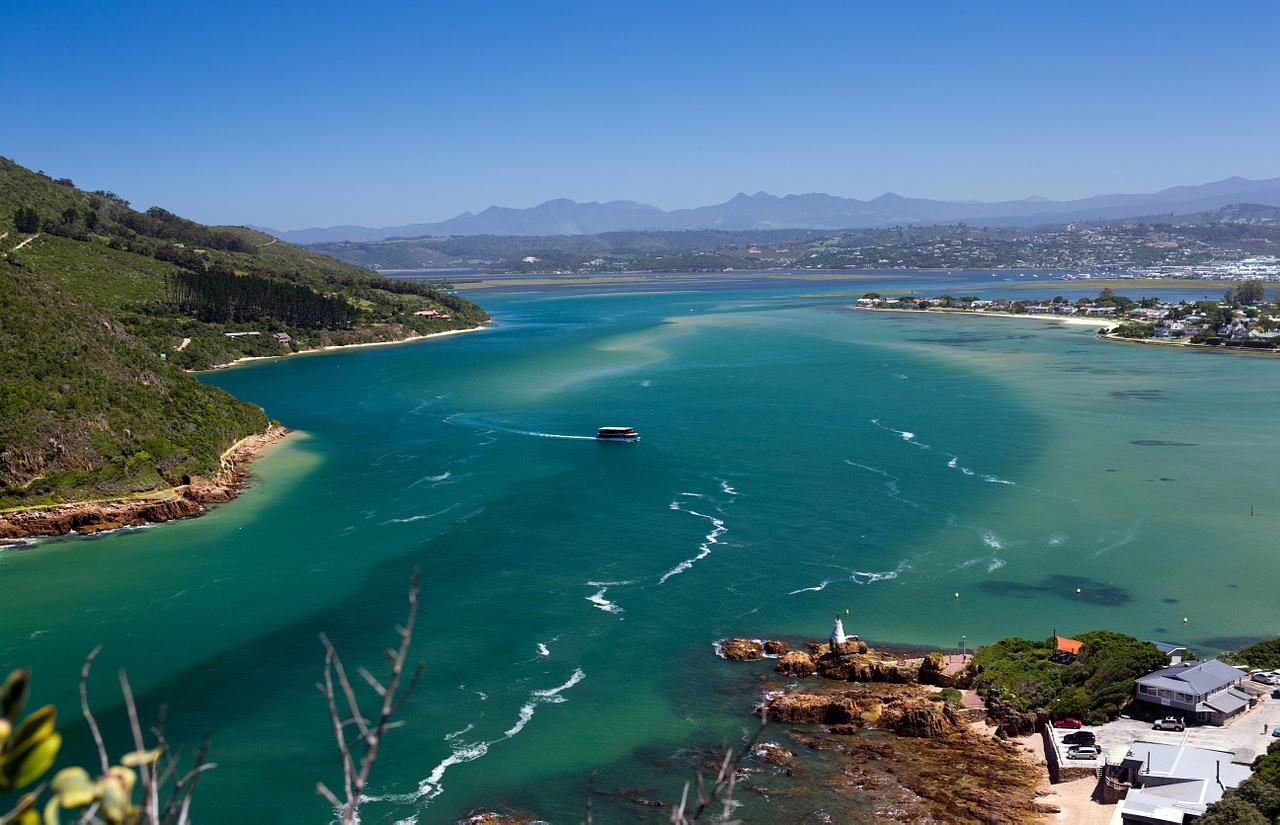
Knysna, as famous for its oysters as it is for its elephants, is the epitome the Garden Route's diversity. It lies on the banks of an impressive lagoon and neighbours one of the most famous indigenous forests in the country.
The town offers an astounding variety of leisure activities, including forest mountain biking, snorkelling, boat trips, hikes, golf, fishing opportunities from game fish to fly fishing to fresh-water, horse-rides, helicopter trips, paragliding, hang-gliding - there are simply too many options to list here.
The town becomes a hive of activity mid-year, with the Oyster festival in full swing, so it's worth a look if you are planning a trip around that time of year.
Plettenberg Bay
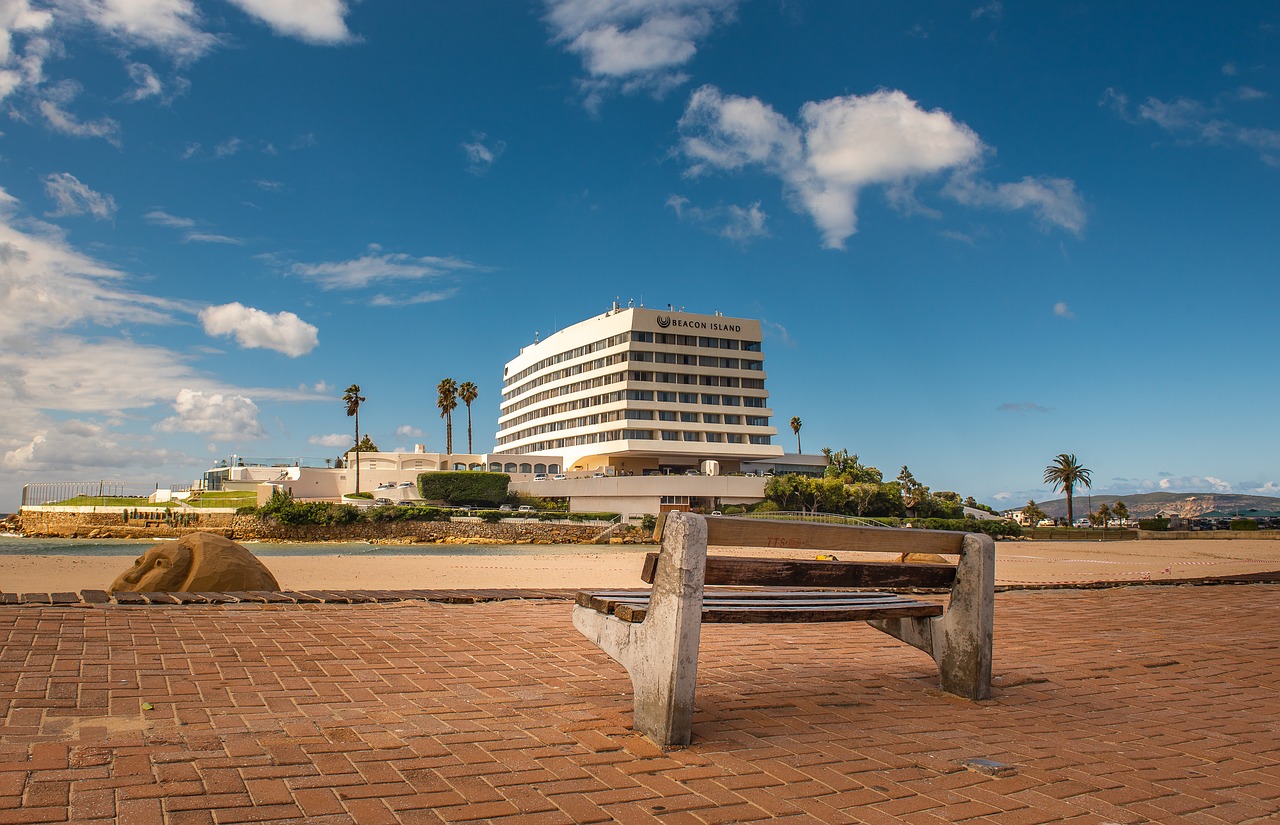
With a backdrop of gorgeous mountains, this beautiful Bay is astonishing. The town lies among lush green forests and fynbos fields, and the expanse of beautiful beach that separates it from the blue Indian Ocean glistens under sunny skies, like the white-toothed smile of a landscape pleased with the gods.
In Plettenberg Bay, it always feels like springtime. The days are warm and relaxed and the evenings mellow and restful. Don't be fooled into thinking Plettenberg bay is dull place though, there's certainly no shortage of things to do. With various species of whales and dolphins visiting the bay, there are great opportunities to observe these majestic marine mammals by boat or make your way up to the elevated look-out points for a great land-based viewing experience.
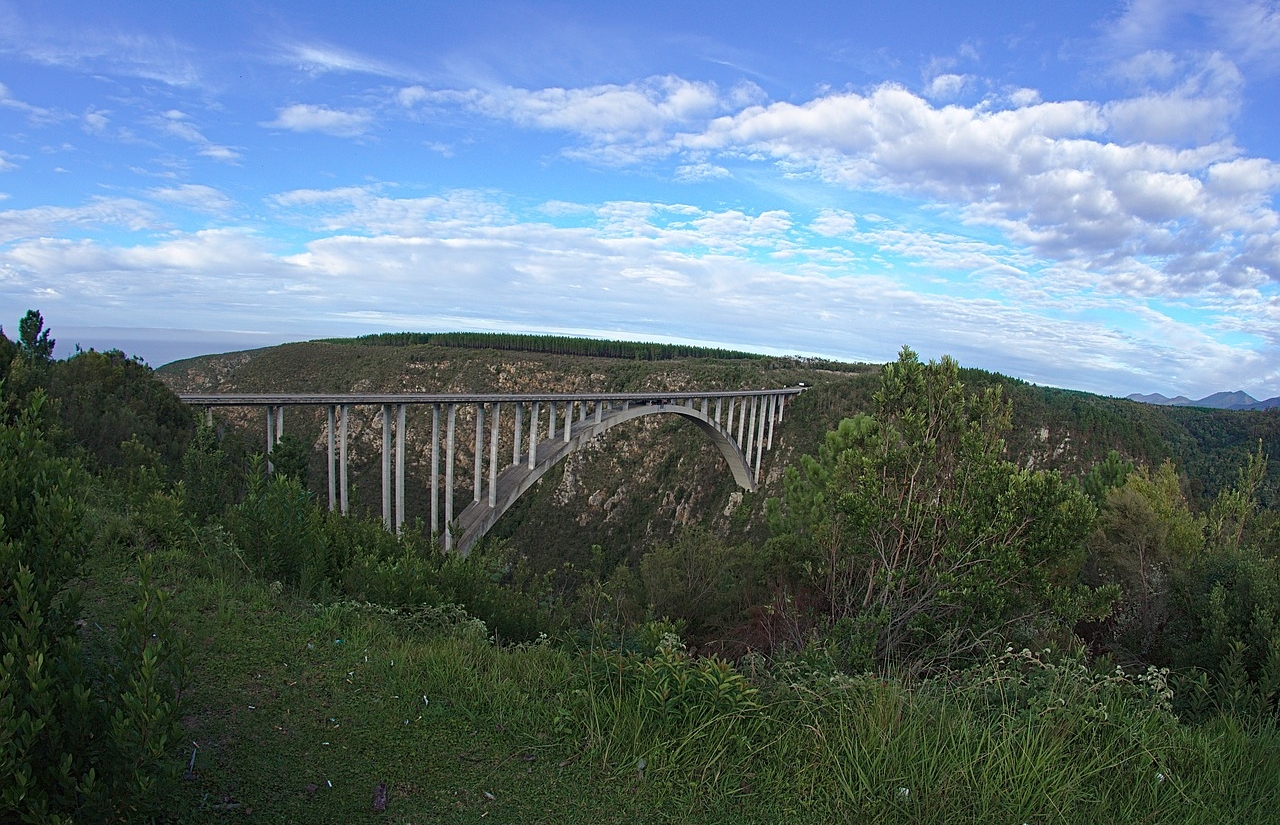
The Robberg Nature Reserve is not to be missed by the nature lover. Sweeping views, bird and whale watching opportunities, hiking trails and an archaeological site, dated more than 120 000 old, which gives some interesting insight to the lives of our distant ancestors. There are also plenty of other activities in the area, like polo, golf, forest trails, bungee jumping…the list goes on.
Still Bay
Still Bay, sometimes called “the Bay of Sleeping Beauty”, is spectacularly unspoilt. Its natural beauty and peaceful lifestyle make it a perfect year-round destination for relaxation.
Rich in history, the little 'White House' serves as a local museum and information centre, historical sights show off stone-age artefacts and tours are provided to give visitors an up-close look at the ancient fish-traps.
Victoria Bay
Victoria Bay is sometimes described by tourists as “The Gem of the Garden Route". Charming and beautiful, it's less than 10 km from George making it a good base from which to explore the region. Excellent winter weather creates opportunities for surfing, whale and dolphin watching, and summertime for fishing, bathing or snorkelling.
With everything from casinos, to bungee jumping, to dolphin, whale and seal watching and scuba diving, Mossel Bay takes the breath away. Luckily, its special tranquillity invites you to sit back and relax, and catch your breath again. For information, visit Mossel Bay Tourism and learn about this Garden Route destination that is sure to impress.
Information and Contact Info

Things to do - Accommodation - Tourist info - What's on
Garden Route Info
Garden Route
Garden Route Accommodation
Accommodation in the Garden Route
Car Rental and Public Transport

Avis Rent a car
Brenton Blue Tours
Way 2 Go Shuttle and Transfer ServicesCity Shuttles
Visit us