
India Tours and Travels
Hill Stations of India
The mesmerizing hill stations of India are known for their incredible beauty and are heaven for adventure freaks. Hill stations
are mostly known for there ambiance, charm, solace, and sanctity. Here are some of these cool retreats adorning this
winter.
Gulmarg
Gulmarg is said to be a valley of retreat and described essentially as a large meadow which is engraved at an altitude of
2,730 meters. A distance of 56-kms south west from Srinagar in Jammu and Kashmir. The name Gulmarg means 'meadow
of flowers' and aptly describes the place. Gulmarg is a true sojourn with a sprint of rolling meadows and countless colorful bluebells, daisies and buttercups.
What makes the valley more picturesque and spectacular is the sight of snow covered mountains enveloping it. It is said
to be a popular day trip from Srinagar to Gulmarg and is also famous for trekking. The rice and the maize fields add to the natural scenic beauty of this cool retreat.
Munnar
It is said Kerala 'God's Own Country', has wrapped up Munnar in its wombs. Situated at 1600 m above sea level this is an exotic summer retreat of the South.
A breathtaking beautiful haven, Munnar is a land of sprawling tea plantations, picture book towns, winding lanes with sweet aroma of spice scenting the cool air.
Munnar means "three rivers" in Tamil and Malayalam. The three rivers - Madupetti, Nallathanni and Periavaru flow through
this town and join some distance away from Munnar. National Parks, wildlife sanctuaries, lakes and waterfalls in Munnar
are sights to behold. Therefore, Munnar is craved after for a great vacation destination.
Darjeeling
Darjeeling is situated in the state of West Bengal in India. This place is famous world over for its thrilling trek routes and sightseeing.
From Darjeeling one can have the marvelous, uninterrupted view of the Kanchenjunga peak- world's third highest peak.
Attractions in and around Darjeeling include Batasia loop, Bhutia busty gompha, botanical gardens, Chowrasta, Dhoom gompha, Happy Valley Estate,
Himalayan mountaineering institute & Museums, Natural History Museum, Observatory Hills, Tibetan Refugee self-Help Center and passenger ropeway.
The Best way to visit Darjeeling is boarding the toy train from New Jalpaiguri. It is infact more than fun and thrill sitting in
the toy train journey covering the distance between New Jalpaiguri and Darjeeling. The long journey takes six to seven
hours and it provides ample time for oneself to gaze pristine nature. The toy train passes through the lush forests, tea
gardens, waterfalls, deep gorges and through the mountains and tunnels.
Manali
This quaint town is nestled in the lower Himalayas and located in the state of Himachal Pradesh. Manali is town engulfed
by snow capped peaks. This city has a close connection with the snowline of the majestic Himalayas. Apart from all this beauty
sanctifying in her womb Manali also cuddles an flourishing orchard industry. This tourist destination boasts its popularity for adventure sport enthusiasts, trekkers as well as honeymooners.
Manali offers the visitors some amazing natural site seeing like hot water springs, waterfalls and the river Beas (water of
this river is said to have a look as pure as milk). Apart from these there are beautiful temples scattered all across the place
and the city center also has a monastery.
Therefore, this winter pack your bags for reliving a snow sensation amidst this picturesque places.
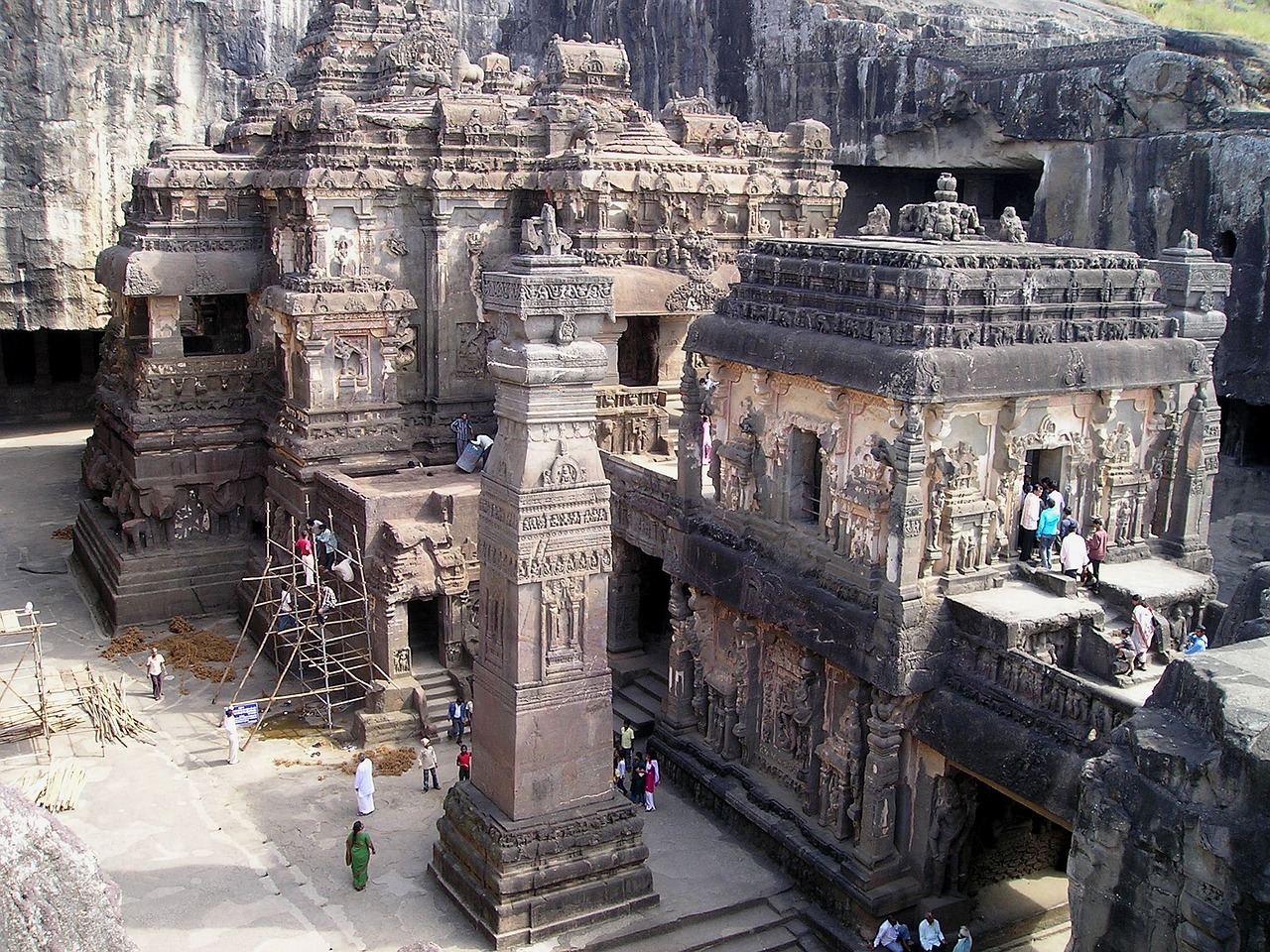
Travel to India.Choose FTD It is an upcoming online travel portal for flight bookings, hotel bookings, bus ticket bookings and rental car bookings, both domestic and international.
Why Choose FTD Travel?
Get Travel Packages Quotes for Free!
Save Money, Time & Worry
Customized Tour Packages
Get Plans from Travel Experts
Get Local Advice from Experts
Trusted Network of Travel Agents